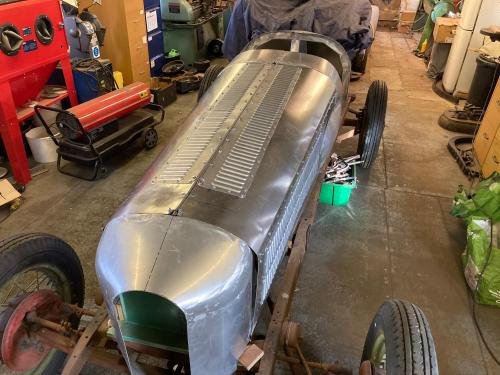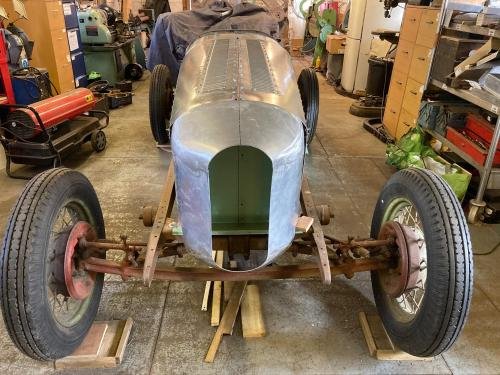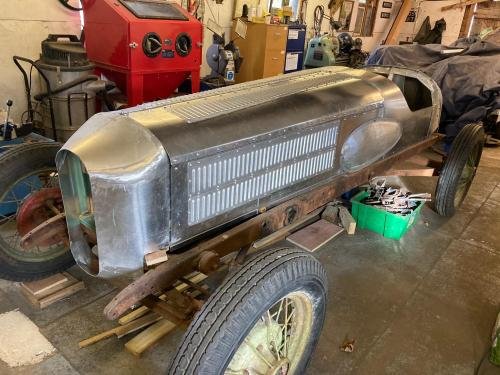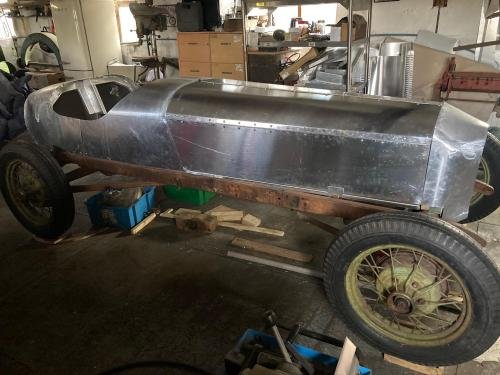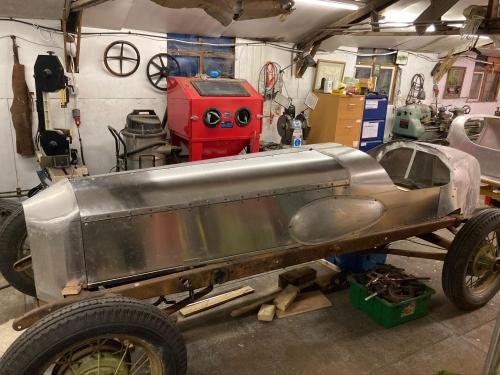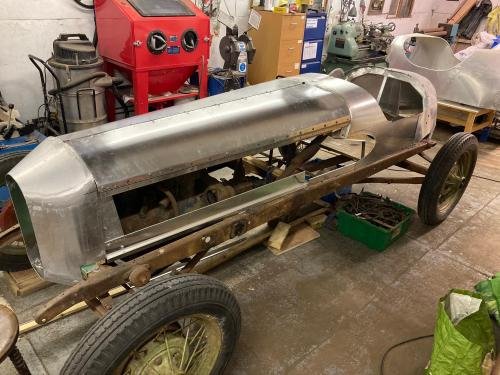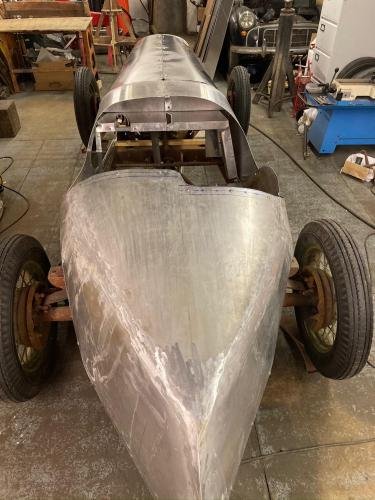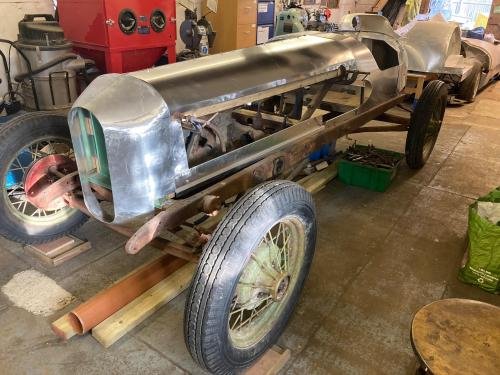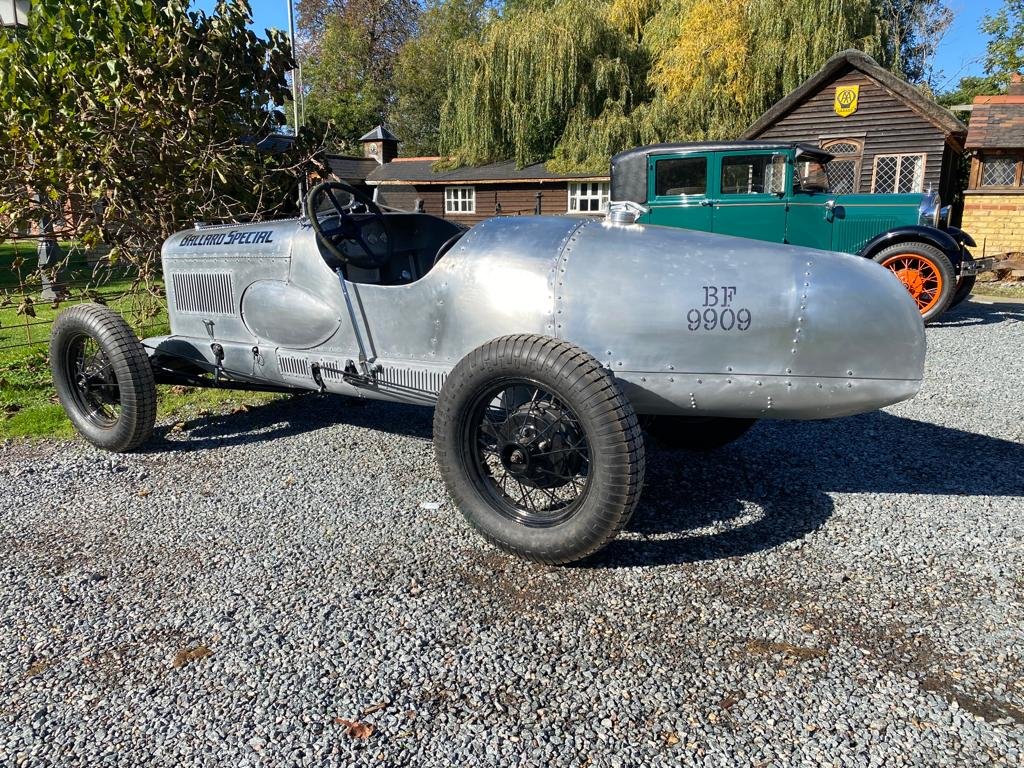
Twin Engine Model A
Pushing the Boundaries of Vintage Engineering
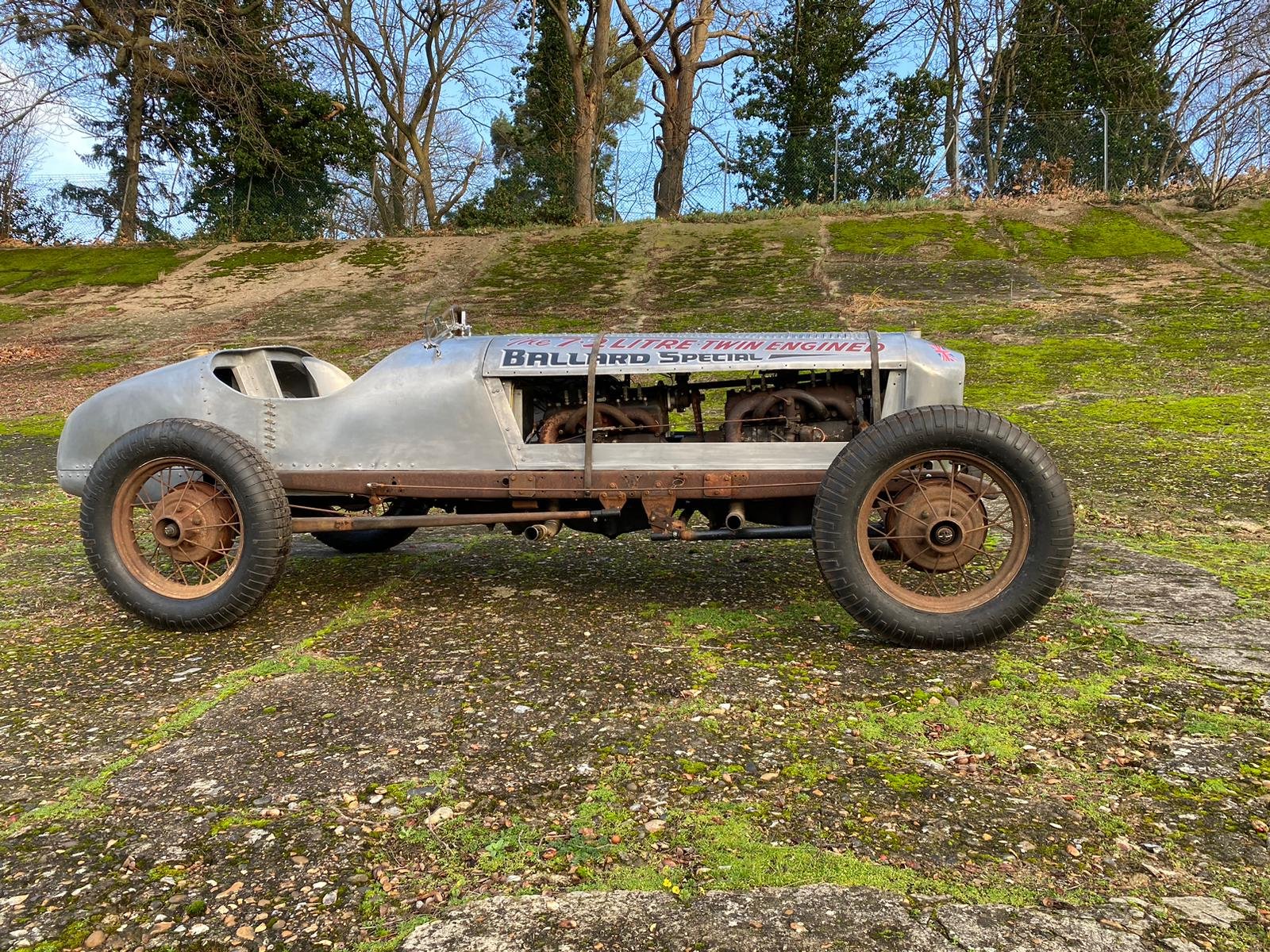
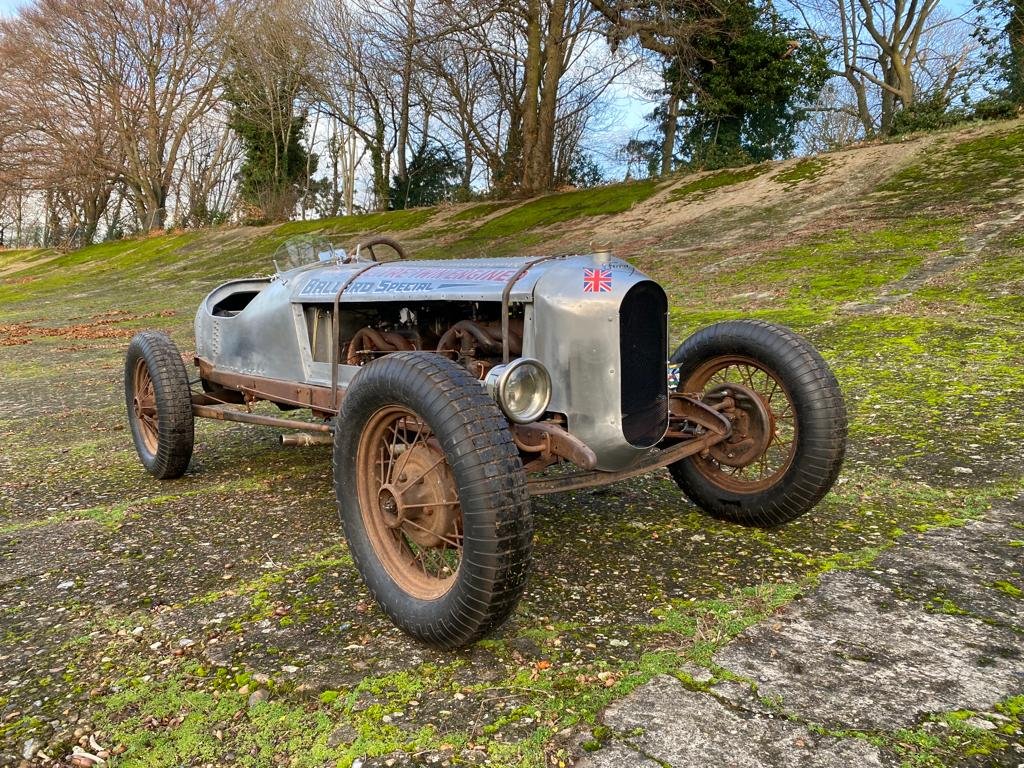
A highly ambitious engineering project combining two Ford Model A engines into a single drivetrain, creating a unique and powerful historic vehicle inspired by early pioneers of speed and mechanical experimentation.
The Concept
This project was driven by a simple idea, to explore how far the original Model A platform could be pushed using period-style engineering solutions.
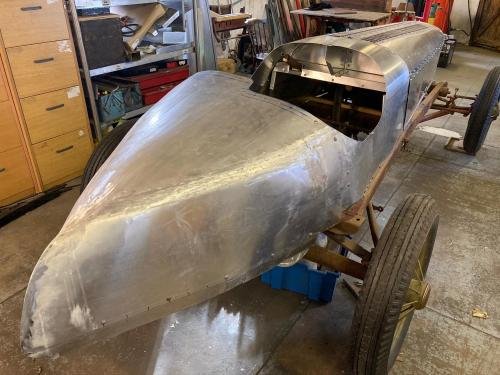
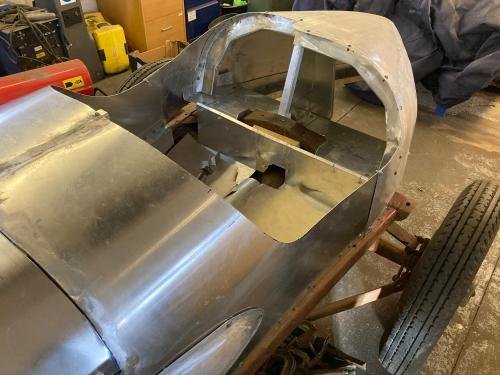
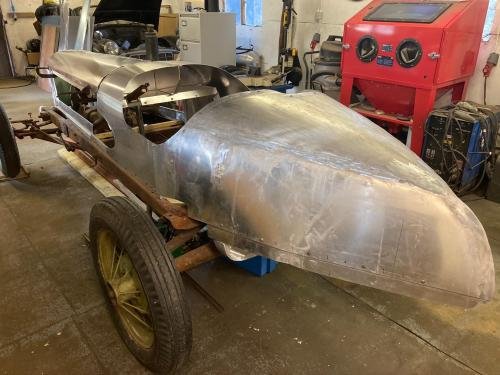
Rather than restoring the chassis and components cosmetically, the decision was made to preserve the original patina, maintaining the character and history of the vehicle while rebuilding and strengthening all critical mechanical systems.
The Build
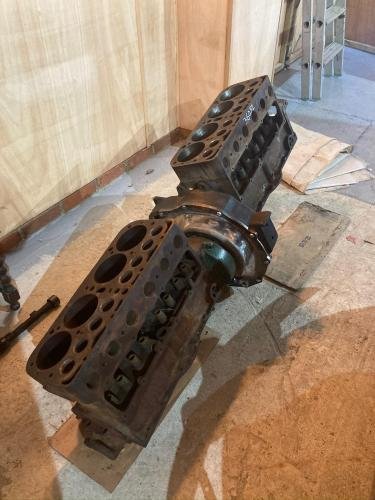
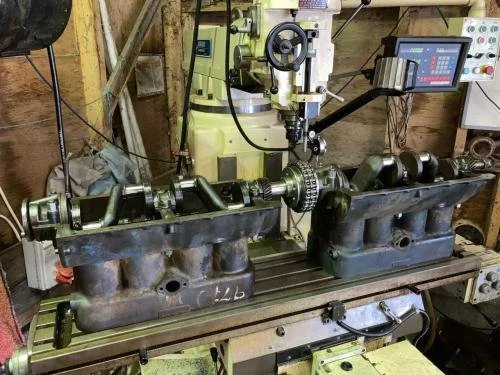
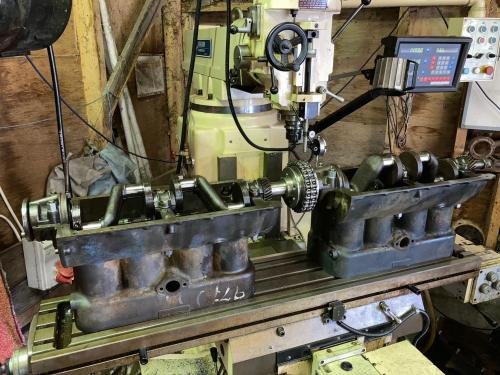
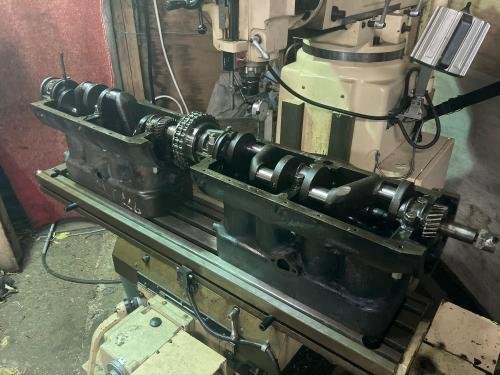
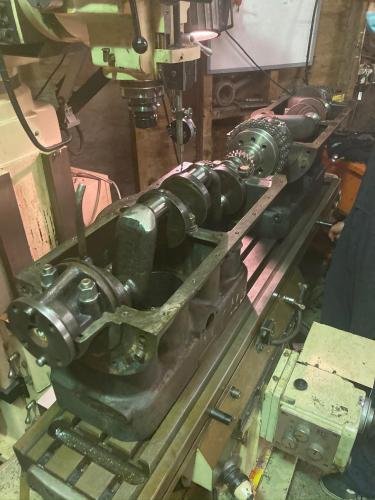
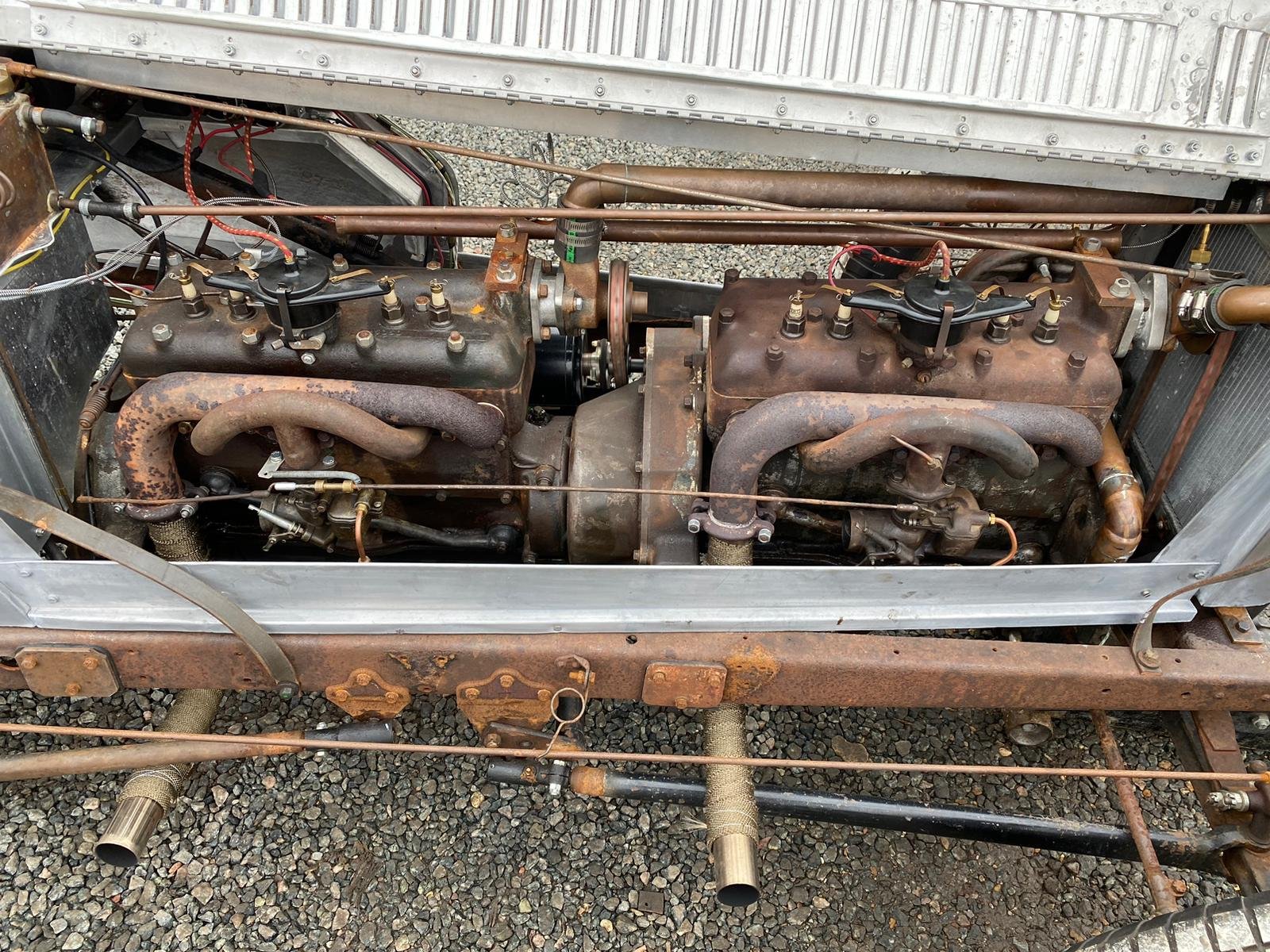
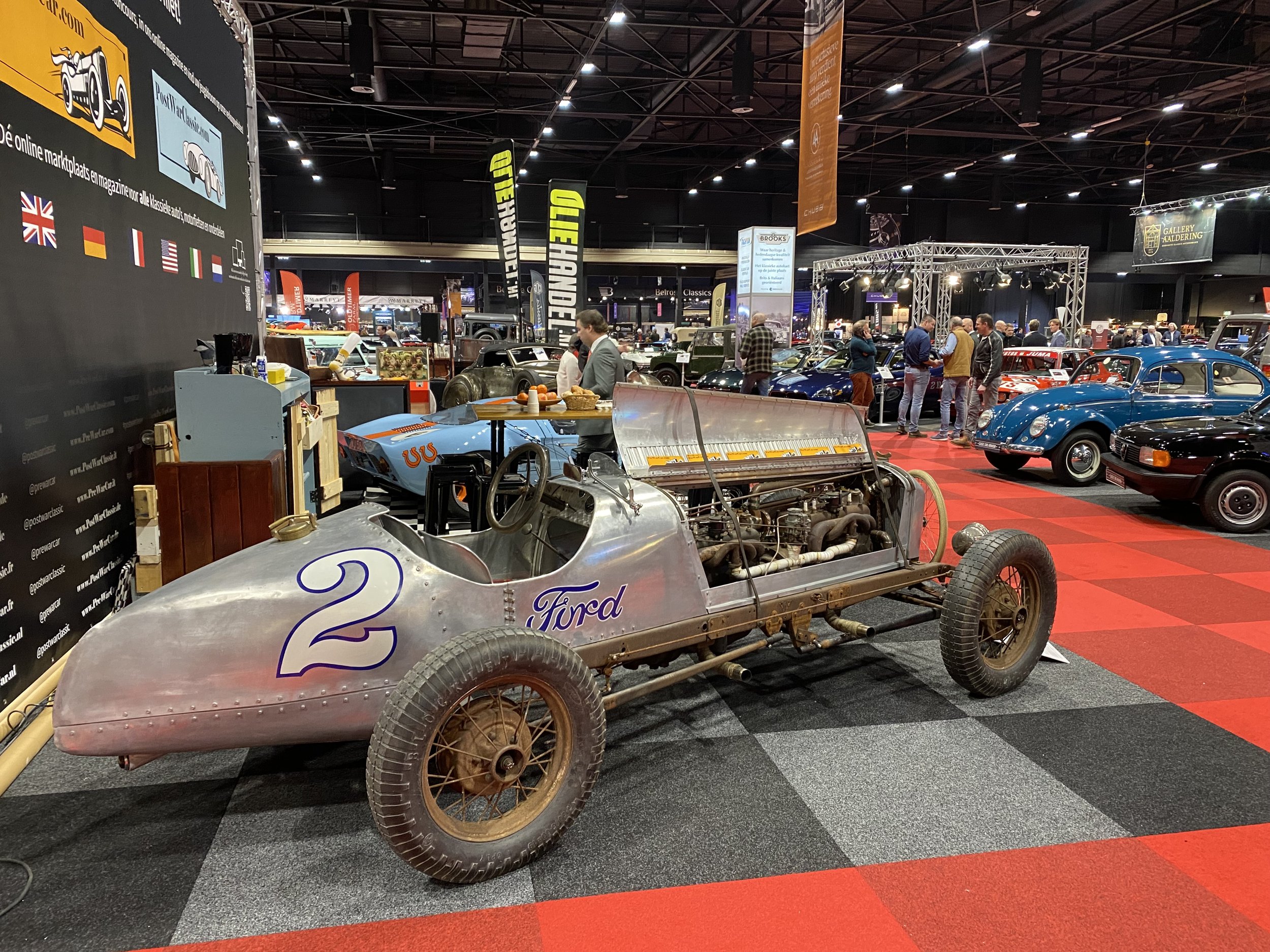
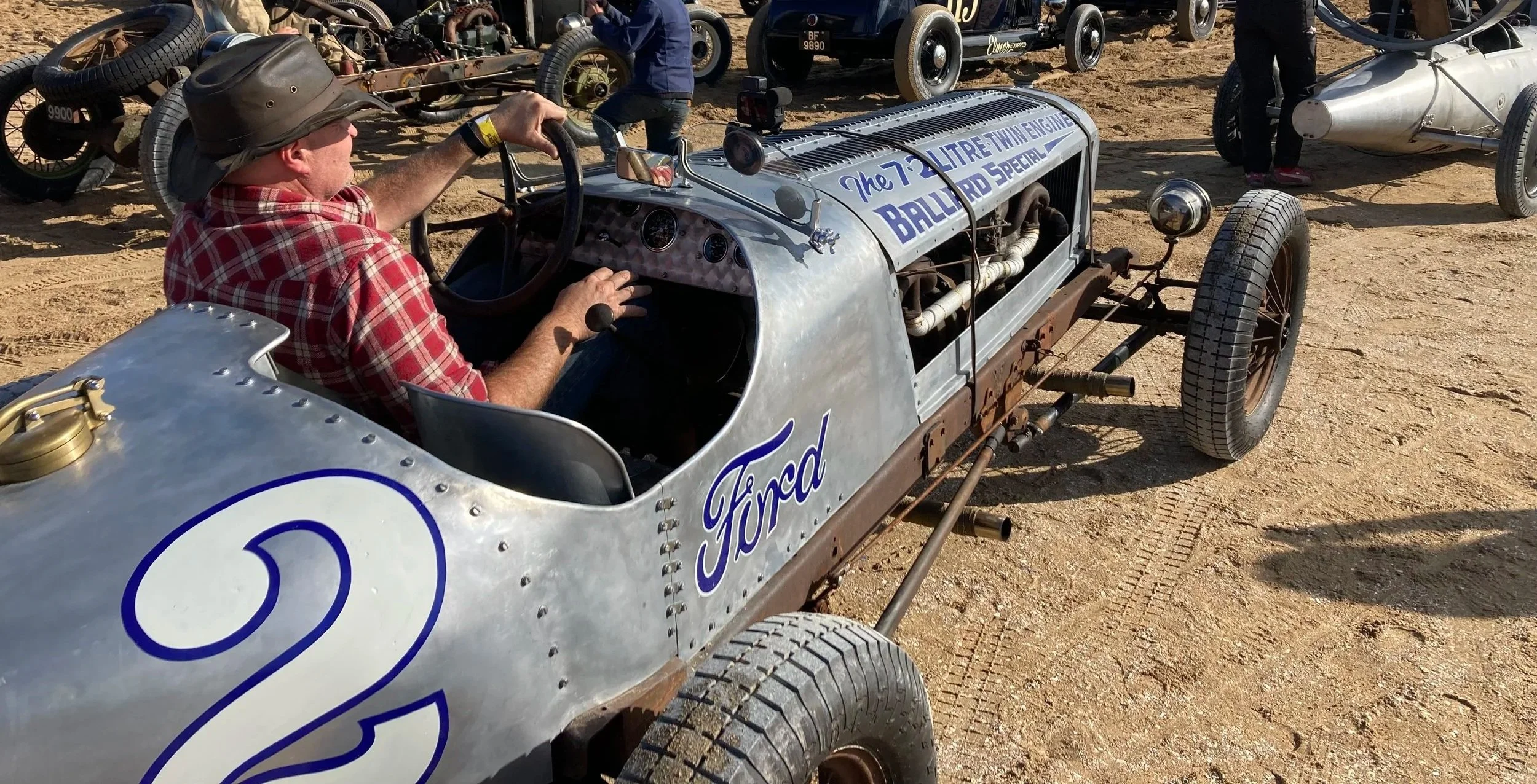
The twin-engine configuration required the fabrication of a bespoke interconnected steel housing, allowing both engines to be mounted and aligned using their original fixing points.
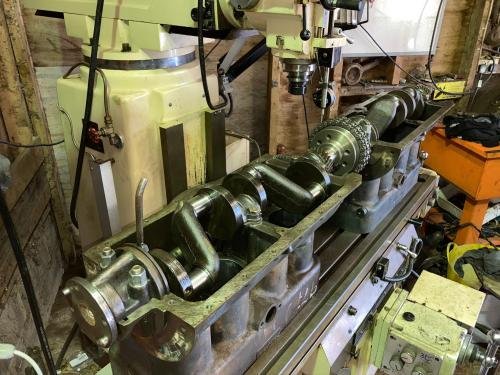
A key engineering challenge was ensuring the rear engine cooling system remained fully functional. This led to the development of a custom drive system, incorporating a modified front pulley with both belt and chain drive. A shaft runs along the side of the engine to power the rear dynamo and water pump, using period-style link belts to allow flexibility in setup.
The chassis itself was not lengthened, but structural modifications were made to support the revised drivetrain layout. Steering geometry was also adjusted, with repositioning and fabrication of a longer steering linkage.
Engineering Highlights
• Twin-engine configuration operating as a combined power unit
• Custom fabricated engine mounting and drivetrain system
• Bespoke pulley and chain-driven auxiliary system
• Strengthened crankshaft components to handle increased torque
• Retained original chassis patina with fully rebuilt mechanical systems
The result is a remarkably powerful and responsive vehicle, producing substantial torque from a combined engine capacity of over 7 litres.
Despite its unconventional configuration, the car delivers smooth power through a straight-eight firing sequence, with surprisingly balanced handling given the scale of the engineering involved.