
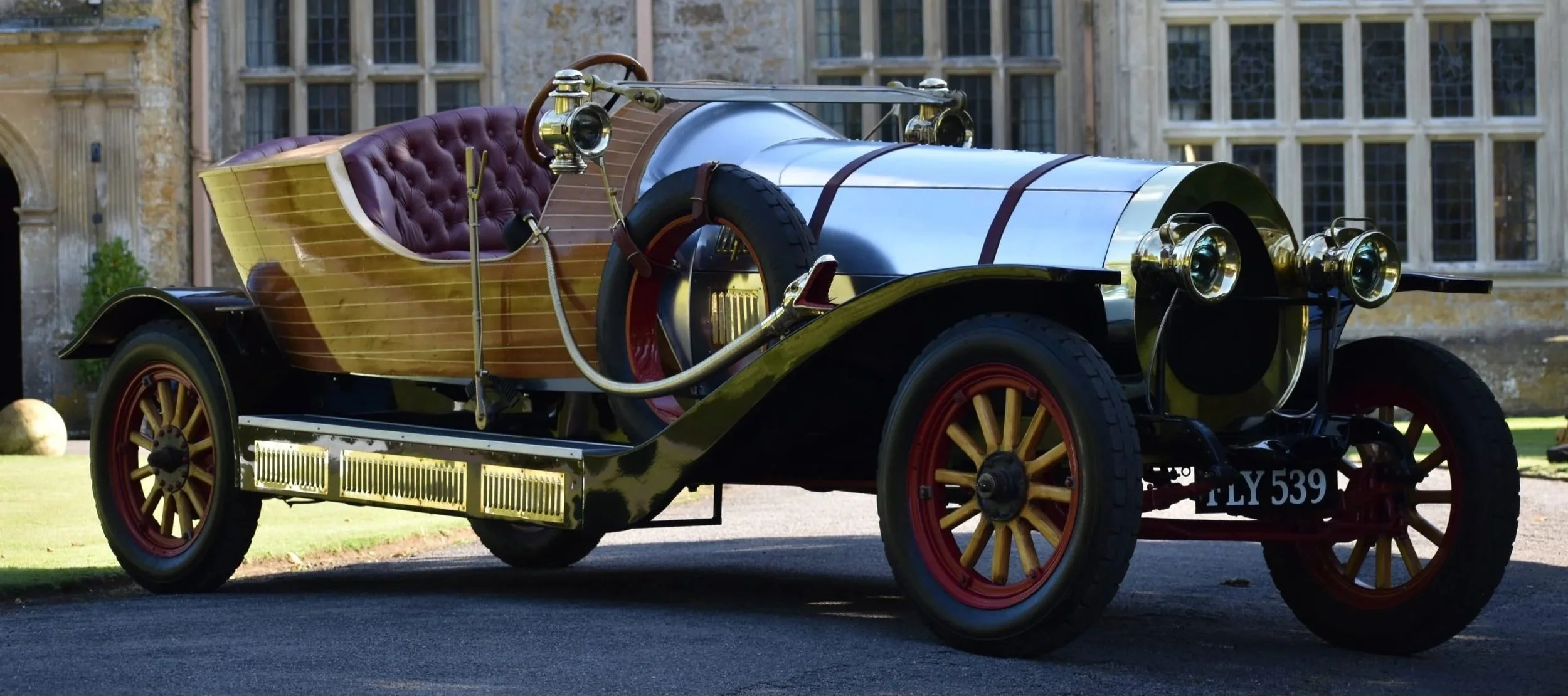
The Chitty
A Bespoke 1920s-Inspired Touring Car
A unique, hand-built touring car inspired by the iconic “Chitty Chitty Bang Bang,” constructed using a genuine 1924 American chassis and powered by a fully rebuilt 6.5-litre Studebaker engine.
This project combines traditional engineering, period-correct components, and bespoke craftsmanship to create a striking vintage automobile true to the spirit of early motoring.
The Story
The idea for building a Chitty-style car began in childhood. Like many, Toby grew up watching Chitty Chitty Bang Bang, but for him the fascination went beyond the film, it sparked a lifelong interest in mechanical engineering and vintage automobiles.
Over the years, that early inspiration developed into a serious ambition to build a car of similar character. While the idea was formed in his early twenties, it remained unrealised for many years due to the time, cost, and complexity involved in such a project.
In 2018, the opportunity finally came to bring the concept to life. Completed in just four months in early 2019, the finished car is a distinctive and visually striking open tourer. Registered as FLY 539, the vehicle represents a combination of engineering craftsmanship, historical authenticity, and a lifelong ambition brought to life.


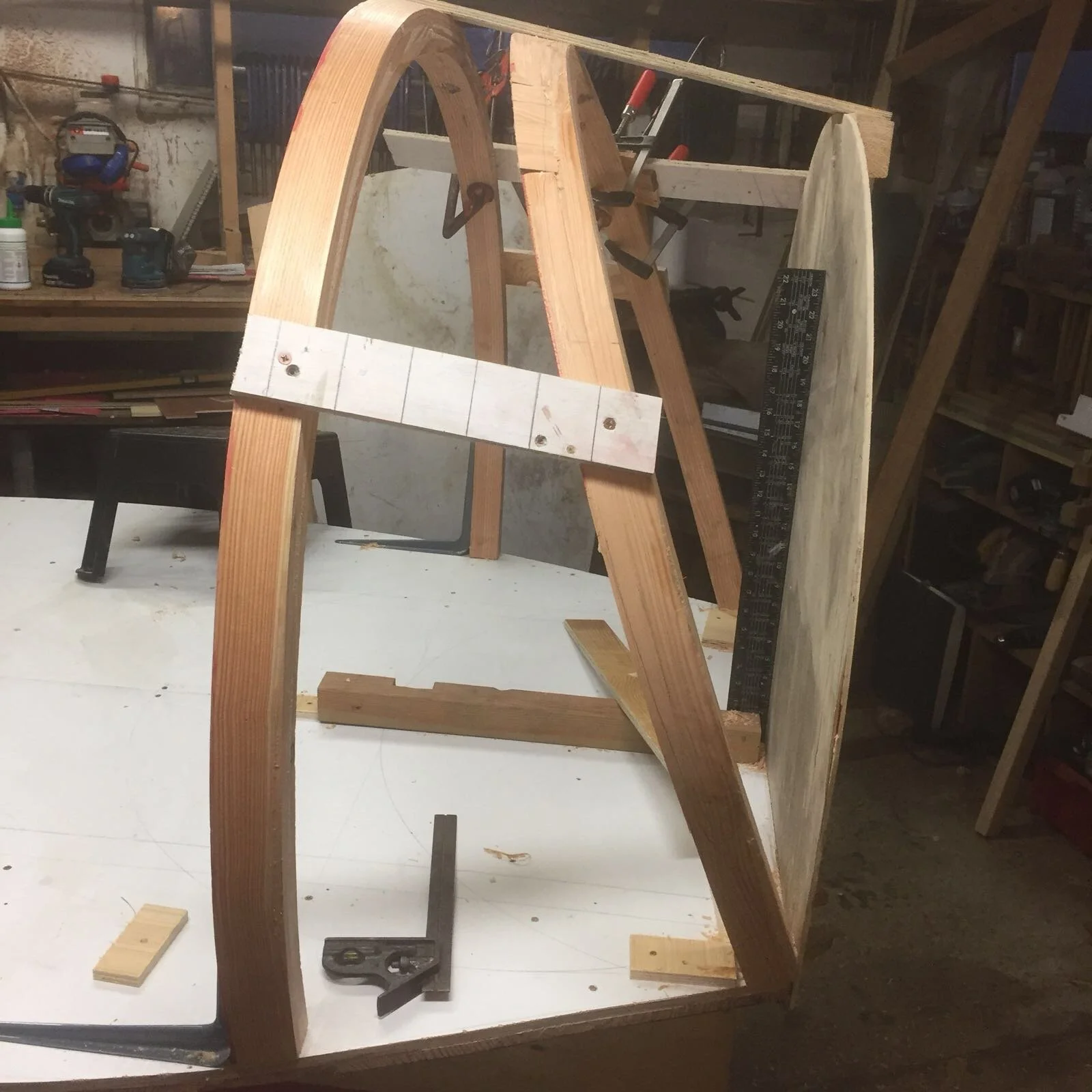


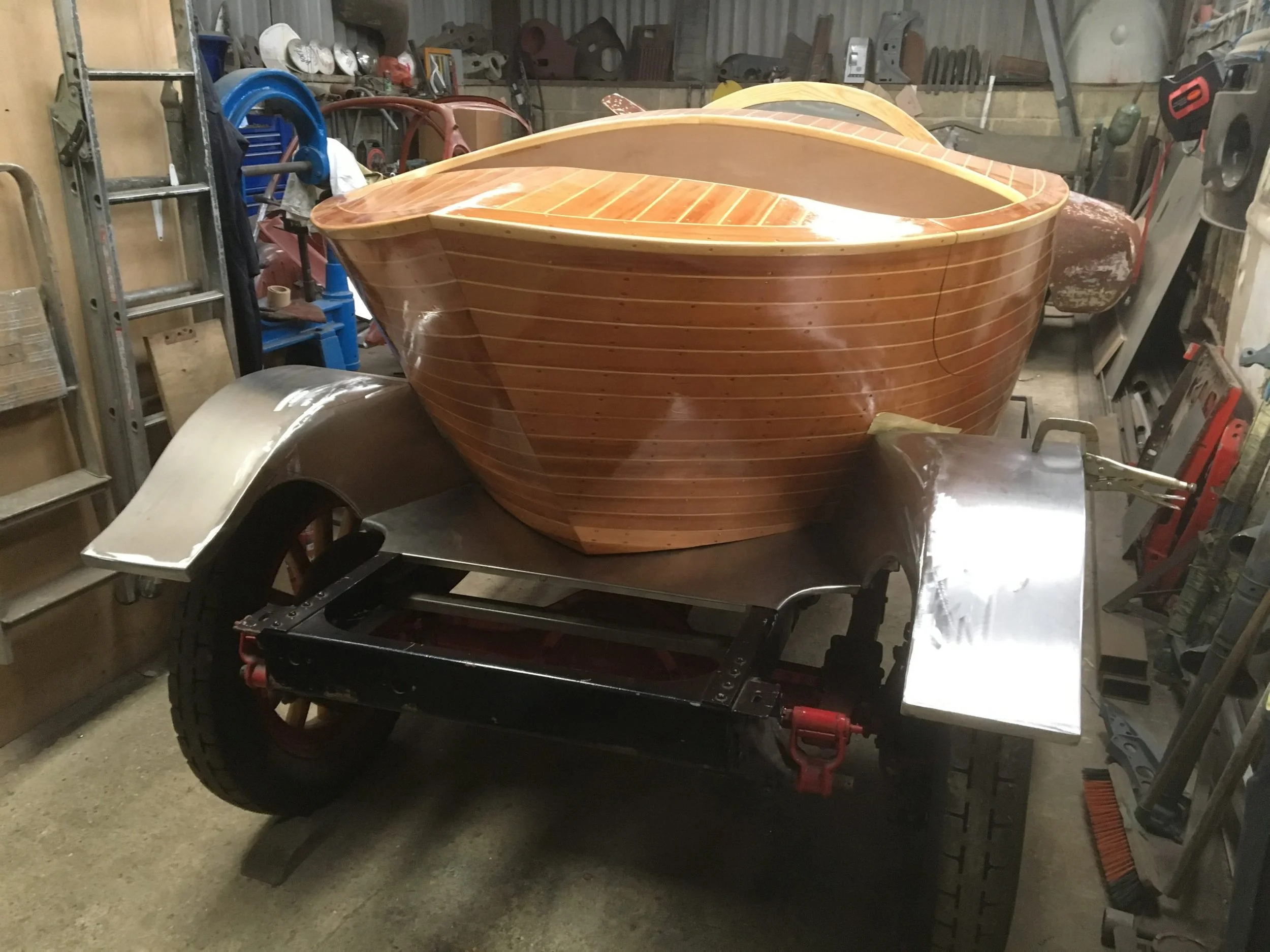


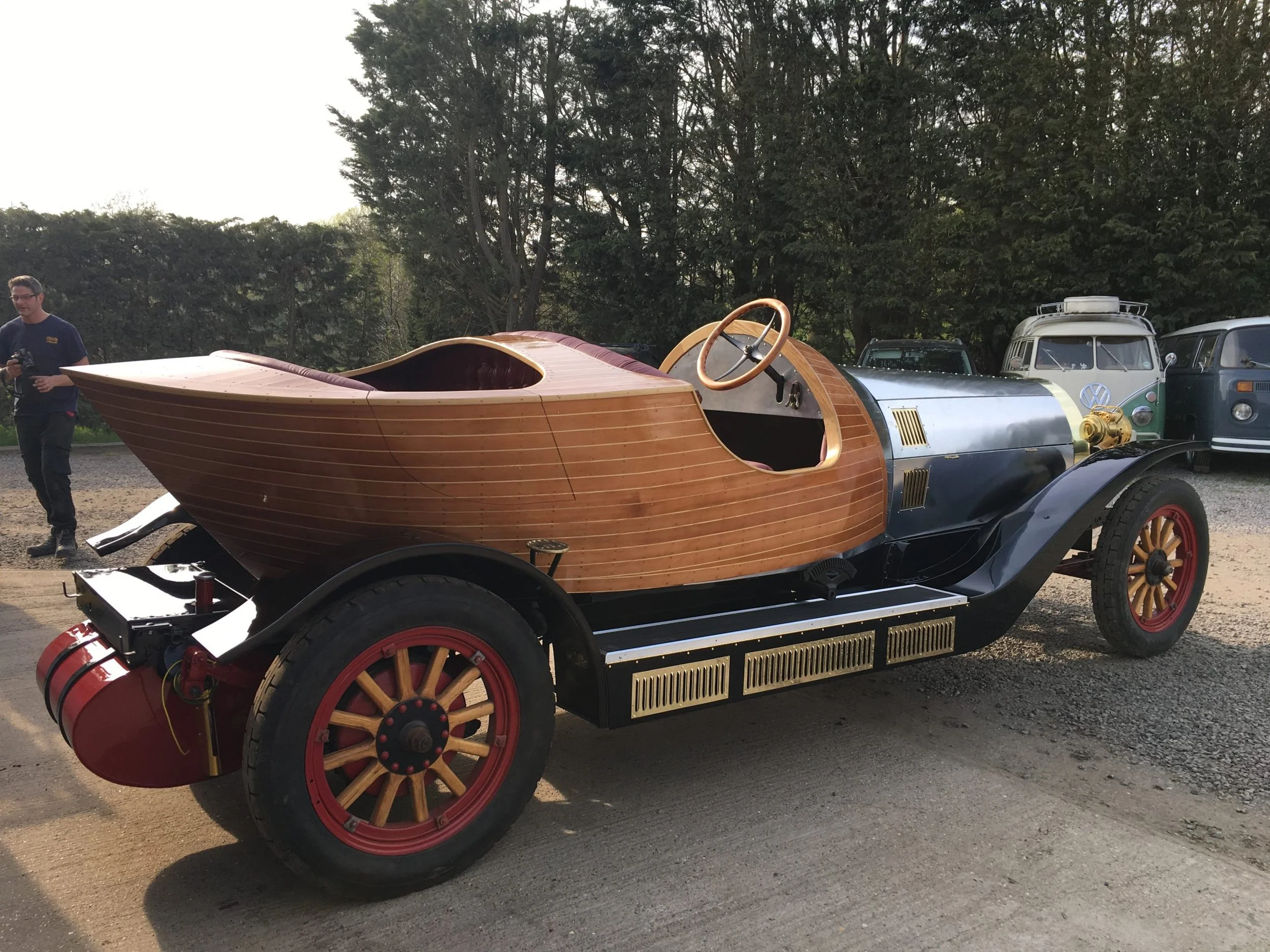

The Build
A 1924 American rolling chassis was sourced from the United States and shipped to the UK. The chassis was converted from left-hand drive and extended by two feet to create the proportions required for a large open touring car.
A rebuilt Studebaker 6.5-litre six-cylinder engine was installed, paired with a matching three-speed manual gearbox. The result is a powerful and imposing vehicle, consistent with the scale and presence of early racing and touring machines.
The bodywork was designed in the style of the original film car, while remaining true to 1920s engineering and construction methods.
Engineering & Details
The project places strong emphasis on authenticity and period-correct design:
• Original wooden artillery wheels retained
• 1909 electric headlights and oil-fired sidelights
• Original-style two-wheel braking system
• Period-correct pedal layout
• Fully functional, hand-fabricated exhaust system
• Large six-cylinder engine correctly presented within the engine bay
One original element, a 1913 Cadillac windscreen and frame, was intentionally left unrestored to preserve a connection to the car’s history.
